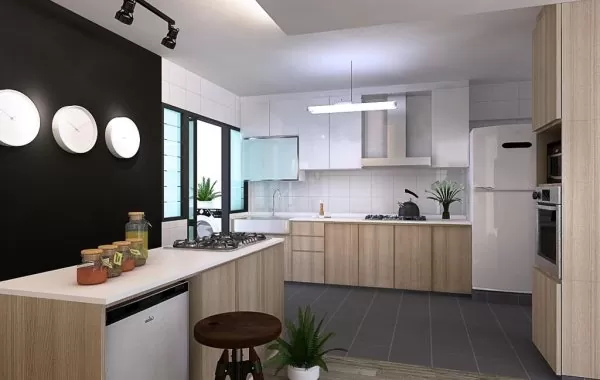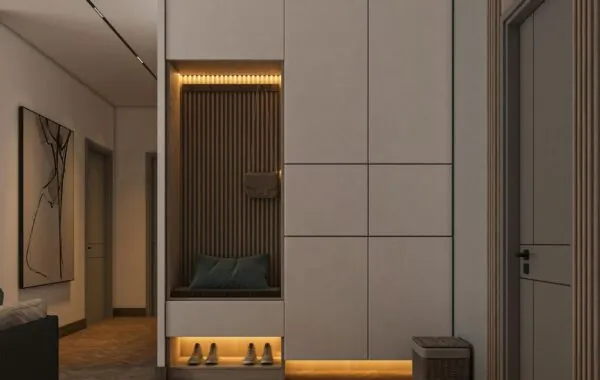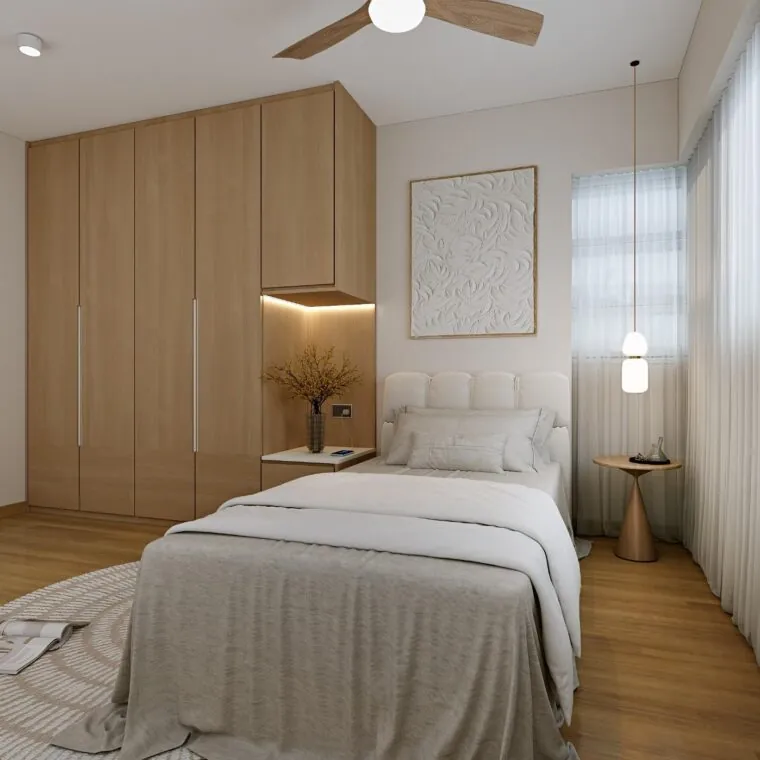


When living in an HDB flat, making the most of every square foot is not just practical, it’s essential. Many homeowners find themselves struggling to achieve a spacious look without compromising on comfort or style. Fortunately, clever visual techniques can dramatically alter the perception of space in your home. With the right HDB interior design ideas, even the most compact rooms can feel open, airy, and inviting.
This blog explores smart design strategies that harness optical illusions and layout principles to transform your HDB room into a visually larger, more comfortable sanctuary.
Strategic Use of Mirrors and Reflective Surfaces to Create Depth Illusions

Mirrors are a classic design trick for a reason they reflect light and surroundings, creating a perception of double the space. When placed thoughtfully, mirrors and reflective surfaces can manipulate the visual boundaries of a room, making it appear larger and more dynamic.
- Large wall mirrors can act like additional windows, bouncing natural light across the room and giving a sense of openness. Placing a mirror opposite or beside a window helps draw more light into dark corners, effectively doubling the brightness and depth perceived by the eye. This technique works wonders in rooms with limited daylight, ensuring that no corner feels claustrophobic or shadowed. Additionally, oversized mirrors become statement pieces that add sophistication while serving a practical purpose.
- Mirrored wardrobe doors or cabinet finishes are a subtle way to integrate reflective elements without disrupting the aesthetic flow. Instead of bulky furniture that visually crowds the room, mirrored surfaces blend seamlessly, offering both storage and the illusion of extended space. This is especially helpful in bedrooms or living areas where floor space is precious. The reflective surfaces also prevent the room from feeling boxed in, making movement feel unrestricted.
- Glass and high-gloss finishes, such as lacquered panels or polished tiles, can reflect surrounding elements and light sources to create a layered effect of depth. These surfaces add a modern, sleek vibe to your interiors while cleverly amplifying the sense of space. Using such finishes on cabinetry, countertops, or decorative panels ensures the room feels lighter and more expansive, without sacrificing style or function.
- Backlit mirrors in bathrooms give an ethereal, floating effect while illuminating the space without bulky lighting fixtures. This not only increases the perception of roominess but also enhances functionality by providing soft, ambient light ideal for grooming. The subtle glow around the mirror’s edges adds a touch of luxury and depth, making even the smallest bathroom feel like a high-end spa.
- Mirrored panels or backsplashes in kitchens or dining areas enhance light play and add a touch of elegance without increasing visual weight. They create a visual extension of the space, especially when paired with clean, minimalist cabinetry. These reflective accents add dimension and prevent the room from feeling closed off, which is key in open-concept HDB layouts where boundaries between areas are fluid.
Vertical Design Elements That Draw the Eye Upward and Maximise Ceiling Height
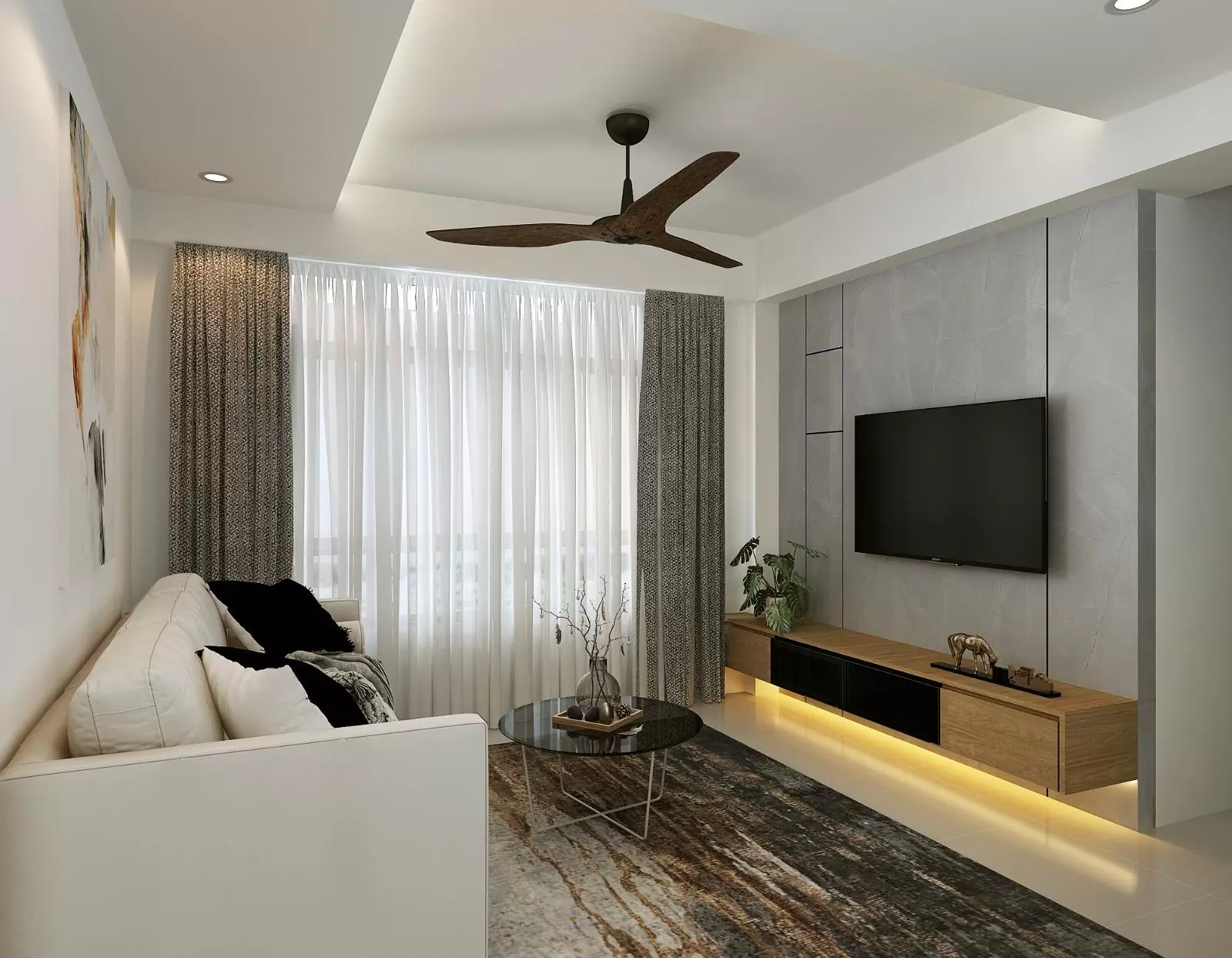
Height is often an underutilised asset in small-space design. Using vertical lines and elements encourages the eye to move upwards, giving the impression of a taller, more spacious room.
- Full-height curtains that stretch from ceiling to floor elongate the walls and add a soft, flowing elegance to the room. They create the illusion of soaring ceilings, even in flats with lower floor-to-ceiling heights. Choosing light, sheer fabrics can maintain this effect without weighing down the space, while heavier fabrics can add warmth and texture in cooler climates or rooms requiring more privacy. This vertical emphasis makes the room feel grander and more open, enhancing both aesthetics and atmosphere.
- Vertical storage units, such as tall bookcases or open shelving, free up floor space while making use of unused wall height. These tall installations draw attention upwards and provide much-needed storage, reducing clutter that tends to shrink a room visually. By stacking decor, books, or plants vertically, you maintain an organised look that feels airy yet functional. Open shelving also keeps the room from feeling boxed in, contrasting with solid, bulky cabinetry.
- Accent walls with vertical patterns, think wallpaper stripes or wood panelling, create rhythm and draw visual interest upwards. These patterns break the monotony of plain walls and add architectural depth without overwhelming the senses. Vertical stripes, for example, subtly trick the eye into perceiving greater height, making your HDB room feel more spacious and sophisticated. This design choice can be tailored to suit a variety of styles, from classic to contemporary.
- Raised beds or platform furniture help define zones and elevate certain features, allowing for built-in storage beneath while amplifying visual height. Elevation adds dimension by layering the room vertically, rather than spreading everything flat across the floor. This creates a more dynamic and interesting space that cleverly utilises every inch, including the often-unused under-bed area. The sense of openness is enhanced because floor space appears less congested.
- Pendant lights or vertical light fixtures can highlight ceiling space and balance the proportions of the room while adding character. Hanging lights draw the eye up and provide a focal point without consuming valuable floor or table space. Choose fixtures that complement your style, whether minimalist, industrial, or elegant, and use varying heights to add depth and movement to your design. Properly placed lighting creates an airy, uplifting ambiance.
Colour and Lighting Combinations That Psychologically Expand Room Dimensions
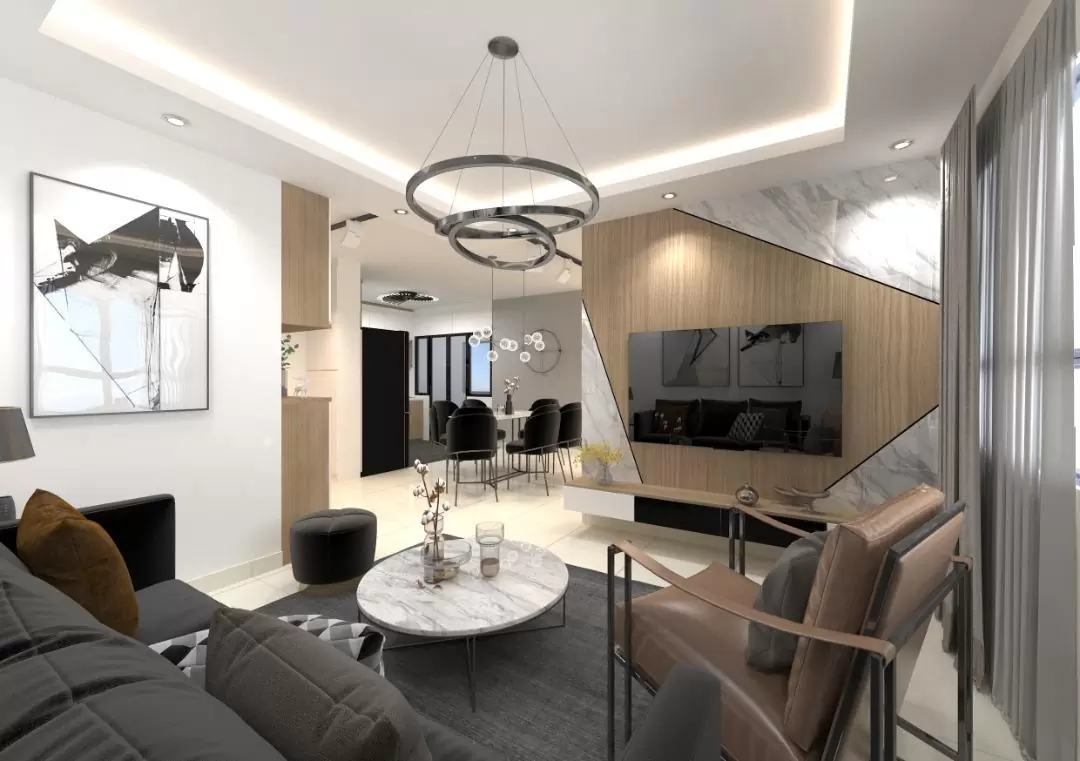
Colour and light are two of the most powerful tools in any interior designer’s arsenal. When used together thoughtfully, they can reshape how we perceive room proportions.
- Light colours such as whites, creams, and soft greys reflect more light and give the impression of spaciousness. Using a single tone throughout walls and ceilings creates a seamless transition, eliminating visual breaks that fragment the room. This monochromatic approach allows the eye to glide effortlessly across surfaces, enhancing the sense of flow and unity. Moreover, light colours provide a fresh, clean backdrop that easily adapts to accent pieces and textures.
- Cool colour palettes, like soft blues, mint greens, and dusty lavenders, tend to recede visually, making walls feel farther apart. These colours create a calming atmosphere while subtly tricking the eye into perceiving greater depth. Combining cool tones with natural light amplifies this effect, making your space feel tranquil yet expansive. Use these hues in bedrooms or living areas where relaxation and openness are desired.
- Layered lighting using ambient, task, and accent lights prevents shadows and dark spots, both of which can make rooms feel smaller. Ambient light provides general illumination, task lighting focuses on functional areas like reading or cooking, and accent lights highlight artwork or architectural features. The interplay of these layers softens the space, removes harsh contrasts, and gives a welcoming warmth. Dimmers add versatility by letting you adjust brightness according to mood or time of day.
- Cove lighting or wall washers that spread light along walls and ceilings help push back visual boundaries. These indirect lighting methods create an illusion of floating walls and add depth by eliminating harsh shadows. The gentle glow also accentuates textures and colours in the room, making the space feel more tactile and inviting. Such lighting is ideal for living rooms or dining areas where ambiance matters.
- Natural light should be maximised, so avoid heavy drapes or large furniture blocking windows. Translucent blinds or sheer curtains can filter sunlight without compromising privacy, letting light flood the room naturally. Positioning mirrors and reflective surfaces strategically can further amplify daylight, ensuring that the space feels lively and energised throughout the day. Proper use of natural light is the ultimate way to make your HDB room feel open and vibrant.
Furniture Selection and Placement That Maintains Visual Flow and Openness
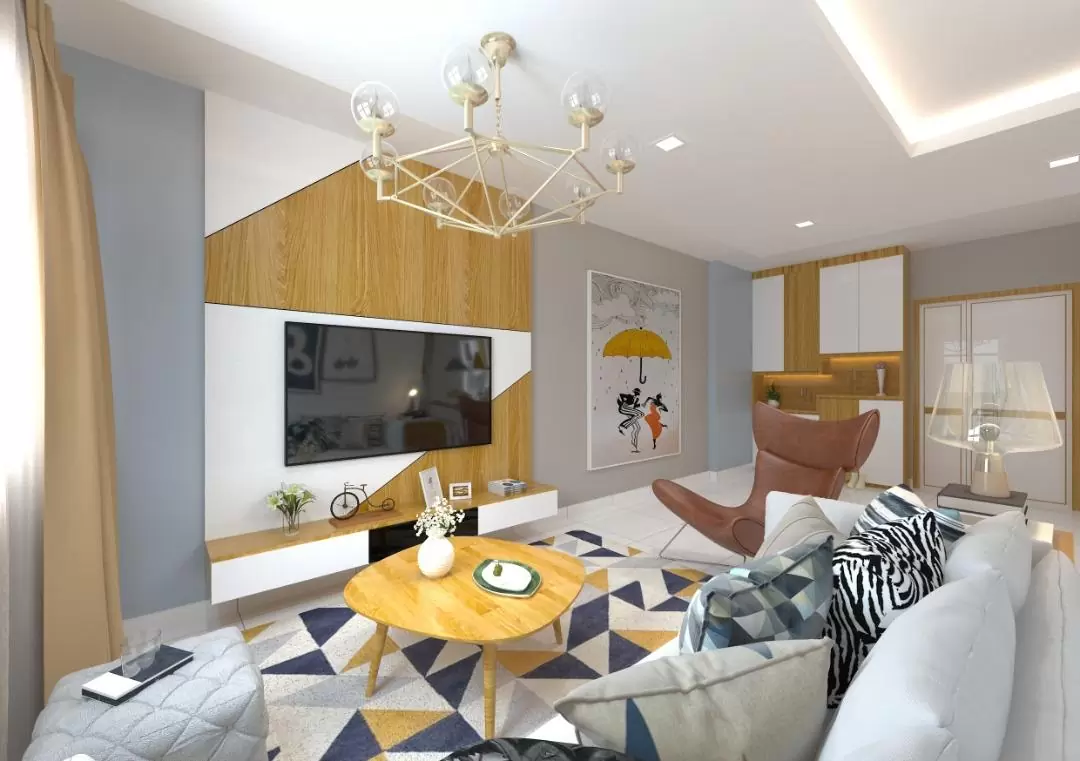
One of the most overlooked aspects of spatial design is how furniture choices and layout affect the visual movement within a room. The goal is to create an uninterrupted sense of flow.
- Low-profile furniture such as slim-framed sofas, beds with tapered legs, and open-base storage pieces reveal more floor area and reduce visual bulk. This design approach lets light pass beneath and around the furniture, which tricks the eye into perceiving more open space. It also creates an airy feel that is both modern and comfortable. Avoid chunky or oversized items that block pathways and create visual obstacles.
- Modular or multi-functional furniture, like ottomans with hidden storage or foldable dining tables, offer flexibility without crowding the space. These pieces adapt to your lifestyle, expanding when needed and contracting to free up room during daily life. They allow for easy reconfiguration and help maintain an uncluttered look. Perfect for small HDB flats where space is precious, this furniture doubles as storage and style.
- Avoid placing large items near entrances or pathways, which can disrupt movement and create visual clutter. Keeping circulation paths clear is essential not only for aesthetics but also for practical flow. Unobstructed walkways make the entire space feel more inviting and spacious, reducing the sense of confinement common in small rooms. Regularly reassess furniture arrangements to ensure ease of movement.
- Use rugs to define zones, especially in open-concept layouts. This helps guide the eye and subtly divides spaces without needing walls or partitions. Rugs add texture, warmth, and colour, anchoring furniture groups and making the room feel curated yet open. Choose sizes and patterns that complement the overall design to maintain harmony and balance.
- Floating furniture, such as wall-mounted desks or nightstands, frees up floor space and maintains a clean visual line. By keeping pieces off the ground, you create more visible floor area, which enhances the perception of openness. This minimalist approach reduces clutter and streamlines cleaning while offering sleek modernity. It’s especially effective in compact bedrooms and living rooms.
Creating the illusion of space in a small HDB flat is a combination of art and science. From the strategic placement of mirrors to the clever use of light, colour, and furniture, these visual tricks allow homeowners to reimagine their interiors with maximum impact and minimal renovation.
By applying these HDB interior design ideas, you’re not just decorating, you’re redefining the very dimensions of your home. These tips are perfect for those who want stylish, functional, and transformative solutions without breaking the bank or doing extensive structural work.
Interested? Design Your HDB with Reno Loft today!
HDB renovations are essential for transforming your space into the home of your dreams. If you are looking to build your dream home, then look no further than us!
With 10 years of experience under our belts, our designers are here to realise your dream home.
Start your stress-free renovation journey with Reno Loft today.
Head on to Our Portfolios to browse more of our proud work!